

EMDR Therapy in Denver for Trauma, Anxiety & Emotional Healing
A supportive space for individuals and couples seeking EMDR therapy in Denver for trauma, anxiety, burnout, and emotional disconnection.
What Is EMDR Therapy?
EMDR therapy (Eye Movement Desensitization and Reprocessing) is an evidence-based approach backed by more than 35 years of research. It is designed to help the brain process distressing experiences, trauma, anxiety, and emotional overwhelm in a way that supports healing and lasting change.
When painful experiences remain unresolved, they can continue to live in the body and nervous system, showing up as anxiety, perfectionism, burnout, emotional reactivity, depression, relationship struggles, or a persistent sense of feeling stuck. EMDR helps your brain reprocess those experiences in a way that reduces emotional intensity and creates space for healing, clarity, and self-trust.
Unlike traditional talk therapy alone, EMDR works with both the mind and body. Through guided bilateral stimulation and trauma-informed support, we gently help the nervous system move from survival into regulation and integration.
Healing doesn’t mean erasing the past. It means no longer feeling controlled by it, and having the capacity for more joy and calm.
Beyond Trauma: How EMDR Helps Your Everyday Life

EMDR is often associated with trauma and PTSD, but it can also support people navigating everyday patterns that feel difficult to shift.
Unresolved experiences do not always show up as vivid memories. Sometimes, they appear as anxiety, perfectionism, emotional reactivity, self-doubt, burnout, relationship challenges, or a persistent sense of feeling stuck.
EMDR may help you better understand and process the experiences connected to these patterns so they carry less emotional intensity in the present.
-
Anxiety and emotional overwhelm
Burnout and chronic stress
Perfectionism and performance pressure
Low self-esteem or shame
Chronic illness
Grief and loss
Attachment wounds
Relationship triggers
Emotional disconnection
Fear, avoidance, or phobias
Difficulty feeling safe, settled, or present
The goal is not to erase your past or change who you are. It is to help your brain and body recognize that the difficult experience is no longer happening, allowing you to respond to the present with greater awareness, flexibility, and self-trust.

EMDR Therapy for Women in Denver
For the woman who holds it all together but feels disconnected inside.
You may look high-functioning on the outside while quietly carrying exhaustion, anxiety, self-doubt, or emotional overwhelm beneath the surface. Perhaps you've spent years striving, caregiving, achieving, or simply surviving. Somewhere along the way, you lost connection with yourself.
Sometimes, difficult experiences, whether a major trauma or years of chronic stress, criticism, emotional neglect, or relationship pain, can remain "stuck" in the nervous system. Even when your mind knows the experience is over, your body may continue responding as though it isn't.
EMDR therapy helps your brain and body process these experiences so they no longer carry the same emotional weight. Through a structured, research-backed approach supported by more than 35 years of clinical study, EMDR helps reduce distress, create new perspectives, and support the brain's natural capacity for healing and integration.
This work offers space to slow down and listen inward.
A space to process unresolved experiences, release patterns that no longer serve you, and reconnect with the version of yourself underneath the pressure to keep it all together.
Rooted in a holistic and trauma-informed approach, EMDR sessions may also incorporate attachment work, nervous system regulation, somatic awareness, inner child healing, and parts work to support deeper integration and lasting change. This isn’t about becoming someone new. It’s about coming home to yourself. It's to help your mind, body, and nervous system recognize that the danger has passed, so you can move forward with greater clarity, self-trust, and connection.
-
Burnout and chronic stress
High-functioning anxiety
Perfectionism
Midlife transitions
Perimenopause and menopause
Emotional disconnection
Depression and numbness
Trauma and attachment wounds
Grief and loss
Relationship challenges
Low self-worth and shame
Nervous system dysregulation

EMDR Therapy for Couples
Relationships can become places where old wounds quietly surface.
Relationships can become places where old wounds quietly surface.
You may find yourselves stuck in familiar patterns: miscommunication, emotional distance, conflict, shutdown, or disconnection despite deeply caring for one another. At times, it can feel like the same arguments keep happening on repeat. You want to feel understood, connected, and secure, yet something keeps getting in the way.
Often, those moments are about more than the present situation. Past experiences, attachment wounds, and unresolved emotional pain can shape how we respond to stress, conflict, vulnerability, and connection. Even when a relationship feels safe, old wounds can become activated, leading to reactions that feel bigger than the moment itself. EMDR can be beneficial for couples experiencing varying levels of distress, from recurring conflict and emotional disconnection to deeper attachment injuries. However, some couples may first need to build a stronger foundation of emotional safety and stability within the relationship before beginning EMDR processing. Together, we'll assess what feels most supportive and appropriate for your unique situation.
EMDR therapy helps partners understand not only what is happening in their relationship, but why it feels the way it does. Through a structured, research-backed approach supported by more than 35 years of clinical study, EMDR helps the brain and nervous system process experiences that may still be influencing present-day interactions. As emotional triggers become less reactive, couples often find it easier to communicate, stay present, and respond to one another with greater understanding and care.
-
Rebuilding trust
Strengthening emotional intimacy
Healing attachment and relationship wounds
Improving communication
Navigating periods of disconnection
Understanding emotional triggers
Reducing conflict reactivity
Creating greater emotional safety
Building a more secure connection
Couples EMDR helps partners heal the deeper experiences and attachment wounds that may be contributing to conflict, emotional reactivity, and disconnection. Instead of only addressing the surface-level disagreements, this approach helps individuals process unresolved experiences that continue to impact how they perceive, respond to, and relate to one another. As healing occurs, couples often experience greater understanding, emotional safety, compassion, and connection.
-
EMDR may be integrated into couples therapy in different ways. At times, one partner may process a specific experience while the other serves as a supportive witness. In other cases, we may focus on recurring relational triggers, helping each partner understand the deeper emotions and experiences connected to those moments. As the emotional roots of conflict begin to heal, many couples find they can stay more present with one another and move away from cycles of protection and disconnection.

EMDR Intensives
Deep, focused healing when you're ready for more than weekly therapy.
Sometimes, weekly therapy isn't the most supportive path for the work you want to do.
If you're feeling stuck, navigating a significant life transition, carrying unresolved trauma, or simply wanting to create deeper movement in your healing journey, an EMDR Intensive offers dedicated time and space for focused, uninterrupted work.
Unlike traditional weekly sessions, EMDR Intensives provide extended blocks of time that allow us to move beyond surface-level coping and into deeper processing and integration. This can create opportunities for meaningful breakthroughs without having to stop and restart each week.
Whether you're seeking support as an individual or as part of a couple, EMDR Intensives can help you explore the experiences, patterns, and attachment wounds that may be keeping you stuck.
Each intensive begins with a consultation and personalized assessment to ensure the experience is thoughtfully tailored to your goals, needs, and nervous system capacity.
Healing doesn't have to happen all at once. But sometimes creating more space for the work allows meaningful change to unfold.
-
You’re feeling stuck in your healing process
You've done therapy before and want to go deeper
You're navigating trauma, grief, burnout, or major life transitions
You have limited availability for ongoing weekly sessions
You're looking for focused, accelerated support
You're ready to dedicate intentional time to healing and growth

What to Expect During EMDR Therapy
Beginning EMDR therapy can feel both hopeful and unfamiliar. This process is designed to move at a pace that feels safe, supportive, and grounded for your nervous system.
We begin by building trust, understanding your history, and identifying the goals and experiences you’d like to work through together. From there, EMDR sessions gently help the brain and body process unresolved experiences so they no longer carry the same emotional charge.
-
Identifying triggers, patterns, and emotional reactions
Building grounding and nervous system regulation skills
Reprocessing unresolved experiences and attachment wounds
Strengthening beliefs rooted in safety, worthiness, and self-trust
Integrating new insights and lasting change
During EMDR, it’s normal for emotions to arise, including sadness, tears, relief, anger, or exhaustion.
Healing is not linear, and your experience will be uniquely your own. Some clients benefit from weekly EMDR therapy, while others may choose extended sessions or intensives for deeper, more focused healing work.
Understanding EMDR Therapy
EMDR can feel unfamiliar if you have never experienced it before. This video offers a simple introduction to how EMDR works, what the process may feel like, and how it can support the brain and nervous system in processing distressing experiences.
Watch the video to learn more about what to expect and how EMDR may be incorporated into your therapy.
The 8 Phases of EMDR Therapy
1.
History & Treatment Planning
We begin by exploring your story, current concerns, and the experiences or patterns that may be contributing to distress. Together, we'll identify goals and create a personalized treatment plan.
2.
Preparation
Before any reprocessing begins, we'll build a foundation of safety and trust. You'll learn grounding tools, nervous system regulation strategies, and resources to help you feel supported throughout the process.
3.
Assessment
We identify a specific memory, experience, or theme to focus on and explore the thoughts, emotions, beliefs, and body sensations connected to it.
4.
Desensitization
Using bilateral stimulation such as eye movements, tapping, or alternating tones, we activate the brain's natural processing system. As the memory begins to "unstick," emotions, sensations, and perspectives may shift as new connections emerge.
5.
Installation
Once distress has decreased, we strengthen healthier, more adaptive beliefs. For example, a belief such as "I'm powerless" may gradually shift toward "I'm capable" or "I can handle this."
6.
body scan
We check in with your body to identify any remaining tension, discomfort, or activation. Any lingering sensations are gently processed until your body feels more settled and regulated.
7.
closure
Every session ends with grounding and containment techniques to help you leave feeling centered, supported, and emotionally regulated.
8.
Reevaluation
At the beginning of future sessions, we'll review what has shifted, what insights have emerged, and whether additional processing is needed.
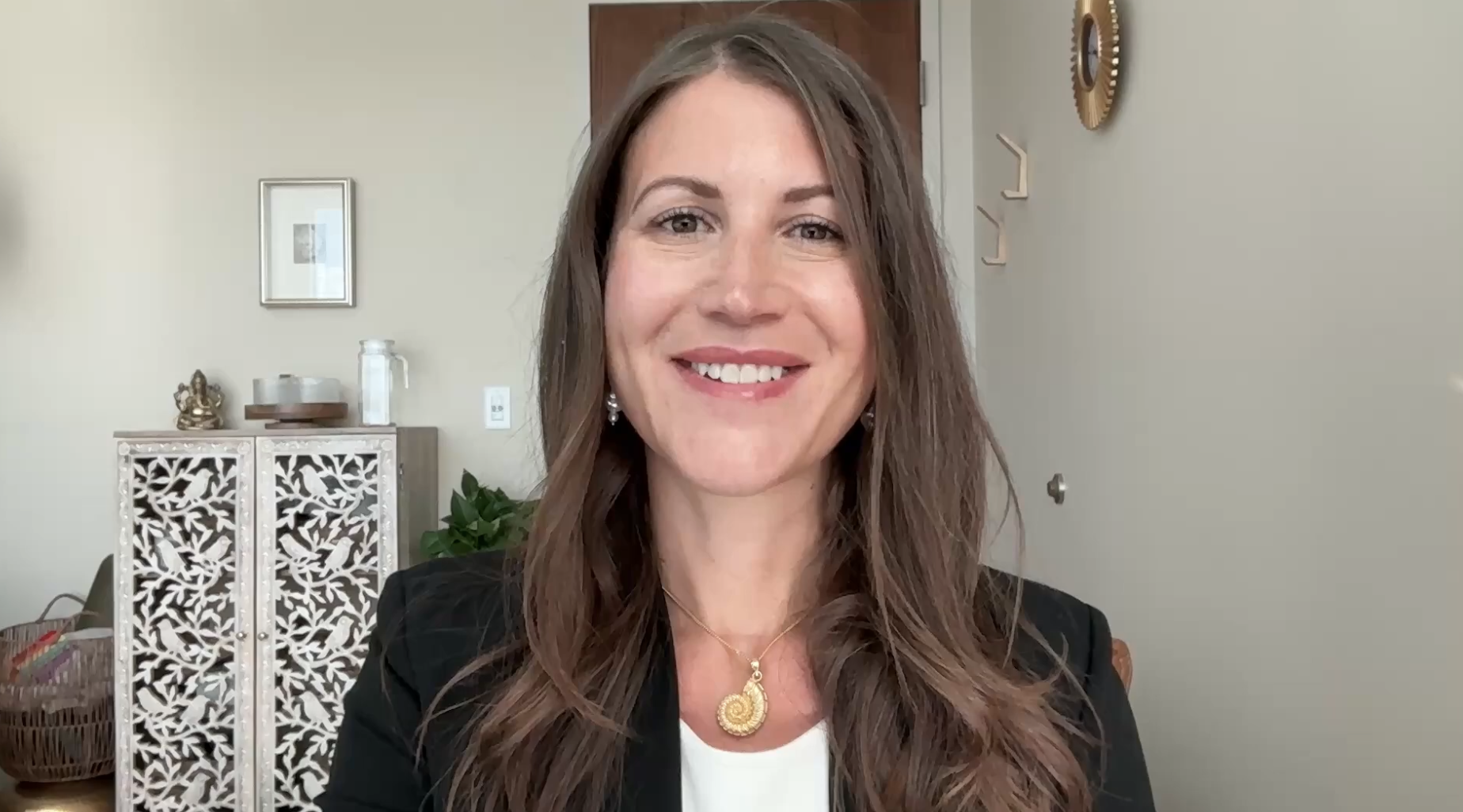
A Collaborative Process
Questions are always welcome throughout every phase of EMDR therapy. My role is to guide and support you while creating a safe space for your brain and body's natural healing process to unfold.
The goal isn't to force change—it's to create the conditions where healing, integration, and greater self-trust can naturally emerge.
Learn more about EMDR

Testimonials

EMDR: Options and Sessions
Healing is not one-size-fits-all. Some clients feel supported through weekly therapy sessions, while others benefit from immersive EMDR intensives that allow for more focused healing work. Together, we’ll explore the approach that feels most aligned with your needs, goals, and capacity.
Weekly EMDR Therapy
A steady, supportive approach for ongoing healing, emotional processing, and nervous system regulation, with a minimum 75-minute session.
EMDR INTENSIVES
Half-day or multi-day sessions designed for concentrated healing and deeper breakthroughs. Each option begins with a consultation and personalized assessment to help determine the best fit for your healing journey.

Why choose DesiRae Kraft for EMDR Therapy?
Healing begins with feeling seen, supported, and safe enough to explore what has been carried for far too long. DesiRae combines EMDR with advanced training in Emotionally Focused Therapy (EFT), attachment-based therapy, somatic interventions, and trauma-informed care to help individuals and couples move beyond survival patterns and toward greater connection, resilience, and self-trust.
She specializes in working with high-achieving women experiencing anxiety, burnout, perfectionism, life transitions, relationship challenges, and unresolved wounds, as well as couples who want to strengthen emotional safety, deepen connection, and heal attachment injuries.
With warmth, compassion, and a whole-person approach, therapy honors the interconnectedness of mind, body, emotions, relationships, and the deeper parts of who you are.
FAQs about EMDR Therapy
-
Many clients attend weekly EMDR sessions, while others may benefit from extended sessions or intensives. The frequency and format of EMDR will depend on your goals, nervous system capacity, and individual needs. Together, we'll determine an approach that supports meaningful and sustainable healing.
-
Yes. In-person EMDR therapy is available at my office in Denver, Colorado, with virtual therapy sessions available throughout Colorado. Because EMDR is a structured process that emphasizes safety, preparation, and nervous system regulation, the initial assessment and early phases of treatment are typically conducted in person before determining whether virtual sessions may be appropriate.
-
Many of our current struggles are rooted in earlier experiences of criticism, emotional neglect, rejection, abandonment, or inconsistent caregiving. EMDR can help process these experiences so they no longer impact your relationships, self-worth, and emotional well-being in the same way.
-
No. Unlike some traditional therapies, EMDR does not require you to share every detail of a painful experience. We work at a pace that feels safe while your brain processes the experience.
-
Yes. Relationship challenges are often connected to attachment wounds, past experiences, and emotional patterns that continue to show up in the present. EMDR can help reduce reactivity, increase self-awareness, and support healthier ways of relating.
-
EMDR can be a powerful therapy, but it is not appropriate for every situation or every stage of healing. We begin with a consultation and assessment to determine whether EMDR is a good fit and ensure you have the resources and support needed for the process.
-
The length of EMDR therapy varies depending on your goals, history, and individual needs. Some clients experience relief within a few sessions, while others benefit from longer-term support or EMDR intensives. Following an initial consultation and assessment, we'll determine together what feels most supportive for your healing process. EMDR moves at the pace of your nervous system, allowing space for preparation, processing, and integration as needed.
-
EMDR (Eye Movement Desensitization and Reprocessing) is an evidence-based therapy that helps the brain process unresolved trauma, distressing experiences, anxiety, and emotional pain.
-
Yes. EMDR is widely recognized as an effective treatment for trauma and PTSD and can help reduce emotional distress connected to painful memories and experiences.
-
Yes. EMDR can help reduce anxiety by processing unresolved experiences and calming nervous system responses connected to fear, stress, or overwhelm.
-
EMDR is considered one of the leading evidence-based therapies for PTSD and trauma recovery.
-
EMDR may support individuals with ADHD by addressing emotional dysregulation, trauma, self-esteem challenges, and nervous system overwhelm that can accompany ADHD experiences.
-
Yes, EMDR therapy can be adapted to support many neurodivergent individuals, including those with ADHD, autism, sensory sensitivities, or other forms of neurodivergence. While EMDR does not treat neurodivergence itself, it may help address experiences that can occur alongside it, such as anxiety, trauma, burnout, emotional overwhelm, rejection sensitivity, low self-esteem, or difficult life experiences. EMDR is a flexible therapy approach, and sessions can be tailored to accommodate sensory preferences, processing styles, communication needs, and nervous system capacity. Together, we'll move at a pace that feels supportive and accessible for you.
-
Yes. Emotional responses—including tears—can naturally arise during EMDR therapy as the brain and body process unresolved experiences. So can things like joy, happiness, relief, and calmness.

You Don’t Have to Carry It Alone
EMDR therapy can help you heal emotional wounds, reconnect with yourself, and move forward with greater clarity, calm, and self-trust.
You don’t have to keep surviving on autopilot. Healing is possible. Connection is possible. Wholeness is possible.